Analysis
Formula 1 Japanese GP
F1 drivers barely brake through Suzuka Esses under new hybrid rules
Hybrid power units now handle much of the braking load, changing how drivers will attack the Esses for F1 Japanese GP
Gianluca D'Alessandro
Edited: Mar 27, 2026, 11:19 PM
Copy link
Share on Viber
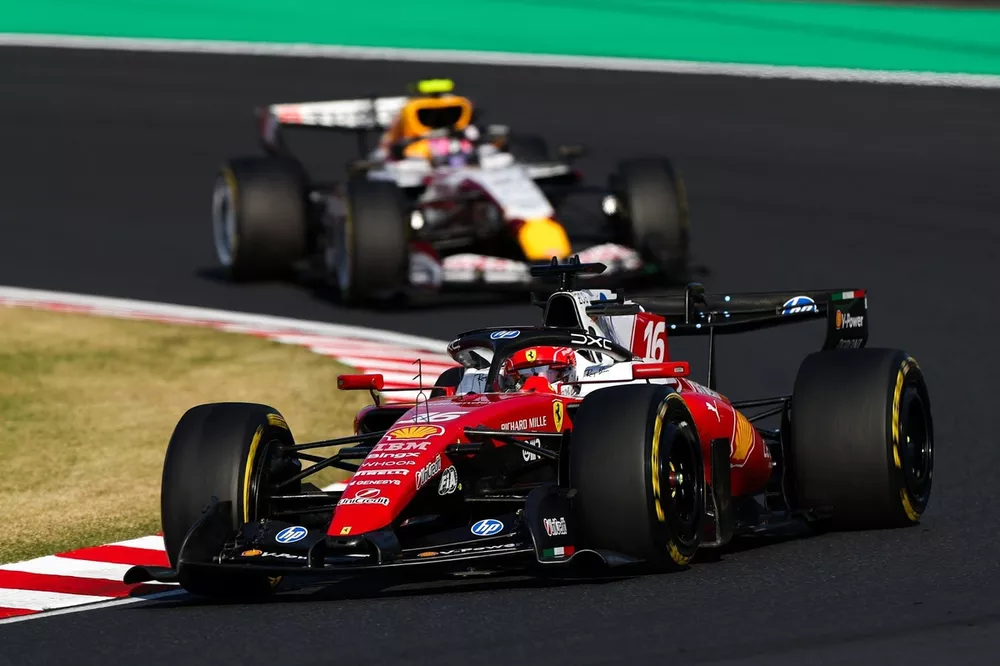
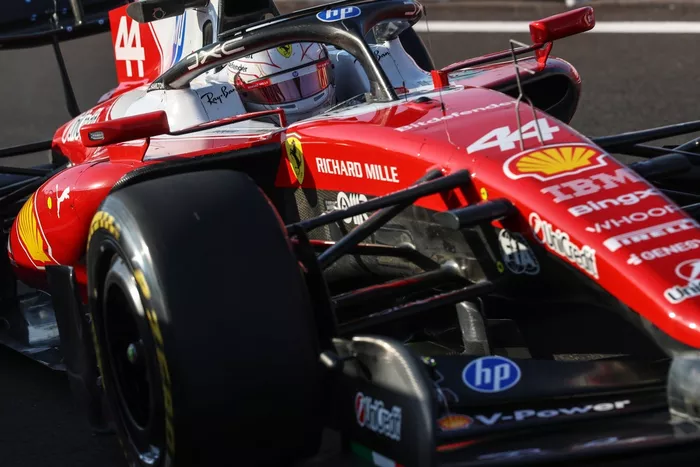
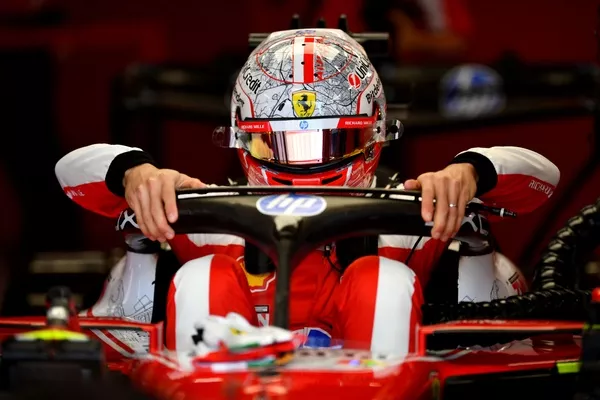
Charles Leclerc, Ferrari
Photo by: Simon Galloway / LAT Images via Getty Images
The new-generation of Formula 1 cars have changed how Suzuka’s first sector is tackled: beyond the reduced downforce, which lowers cornering speeds, drivers now barely touch the brake pedal, because the hybrid system decelerates the car through transitions to maximise energy recovery in a key section.
Over the years, Suzuka has fascinated thanks to the beauty of its layout, with medium- and high-speed corners capable of taking the breath away from both drivers and fans watching from home. However, with the arrival of the new power units, the challenges have changed radically compared to the past—and, as a result, so has the driving style at Suzuka, perhaps more noticeably than at other circuits.
The first factor is that the Japanese track does not feature many heavy braking zones, which limits opportunities to consistently recharge the battery in order to manage the many acceleration phases—some of which, moreover, cannot even benefit from DRS for safety reasons. For this reason, at least for qualifying, the FIA has decided to reduce the maximum recoverable energy from 9 MJ to 8 MJ.
This should reduce the amount of lift-and-coast and super-clipping, but it is clear that teams must still maximise the available 8 MJ, identifying where and how to harvest it. So where is this energy recovered? The most interesting point lies in understanding what happens in the first sector. Already last year, following resurfacing, grip levels had increased, allowing drivers to push with higher cornering speeds.
This year, however, the situation has partly reversed. Firstly, these new cars generate less aerodynamic downforce, so maintaining the same pace—especially through medium- to high-speed corners where ground-effect cars previously excelled—is more difficult. But there is also a second factor: how the new power units have changed the way this section is approached, something already anticipated when discussing the impact of having only two active aero zones.
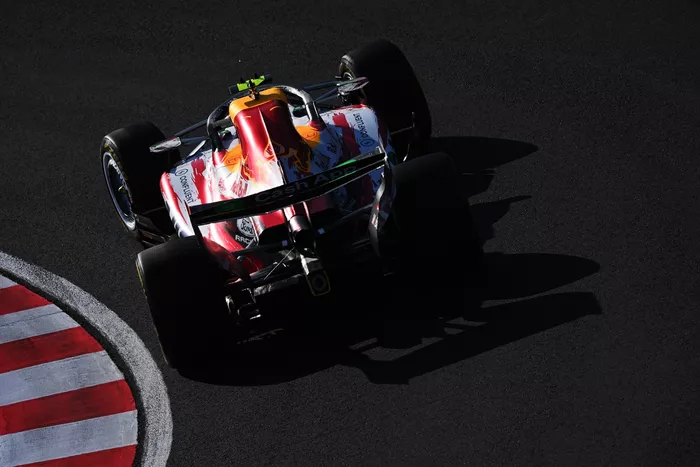
Andrea Kimi Antonelli, Mercedes
Photo by: Andy Hone/ LAT Images via Getty Images
This is evident already at the entry to the Esses, where clear speed differences between teams emerge. It is not just about downforce, but about how much energy is used exiting Turn 2. Some drivers conserve energy, given the short straight that immediately leads into the sequence of corners; others take a more aggressive approach, spending more energy early to carry higher speed into the section.
Very different driving styles—but even more interesting is how the MGU-K is now used through transitions as a true braking device. It not only helps decelerate the car and reduce understeer, but also recovers energy to be deployed later in the lap. This is not entirely new, but with an MGU-K now capable of delivering and harvesting three times the power, the effect is far more pronounced.
Naturally, teams that had high downforce last year, such as Red Bull and McLaren, tended to rely less on braking. Those with a deficit, like Ferrari and Mercedes, had to work both pedals to compensate for reduced front-end grip and help the car during turn-in and mid-corner phases.
Comparison Leclerc Suzuka 2025-2026
Using Ferrari as a reference—given its relative continuity between 2025 and 2026—it is clear that in this section the brake pedal is barely touched. The MGU-K performs most of the braking work, slowing the car and aiding rotation without requiring driver input on the pedal.
Sections that were taken in sixth gear last year are now approached roughly 30km/h slower, in a lower gear and with less throttle, despite maintaining high engine revs. This change should not come as a surprise: the FIA has established that from Turn 3 to Turn 6, power reduction can exceed 150kW, and this has two effects.
First, in certain areas, even with the driver on the throttle, the MGU-K does not deploy power but remains in harvesting mode. This happens because the limiting factor is not engine output, but grip and aerodynamic load—so the FIA allows teams to effectively “zero” electric deployment and let the MGU-K continue recovering energy without contributing to propulsion.
This allows energy to be saved for later sections and, not surprisingly, cars have been seen exiting Turn 6 with more energy than they had at the start of Turn 3. In practice, the behavior resembles “one-pedal driving” seen in road cars: when the driver lifts off the throttle, the electric motor both recovers energy and generates a braking effect.
This represents a completely new way of tackling this section. It does not radically change the driver’s instinct in terms of throttle modulation, but it fundamentally alters what happens under the hood: the electric motor is used differently and ends up almost entirely replacing the mechanical brakes. “It’s not a disaster, but it’s not like before. F1 shouldn’t be like this,” said Sainz on the matter.
The approach to 130R has also changed. In reality, the cornering speed is not very different from the past, but it is reached in a different way, with speed dropping as the car goes into derating due to the lack of electric motor support. Peak speeds are reached earlier—over 20 km/h higher, also thanks to DRS—but after that peak there is a long deceleration phase, losing more than 50 km/h before braking for the chicane.
Photos from Japanese GP - Friday
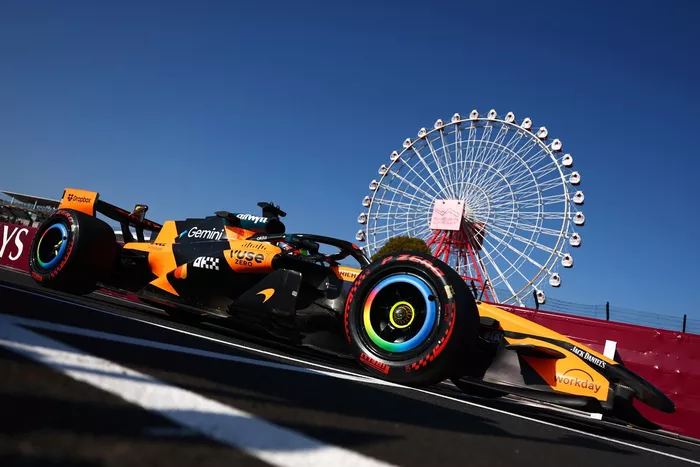
Japanese GP - Friday, in photos

Japanese GP - Friday, in photos
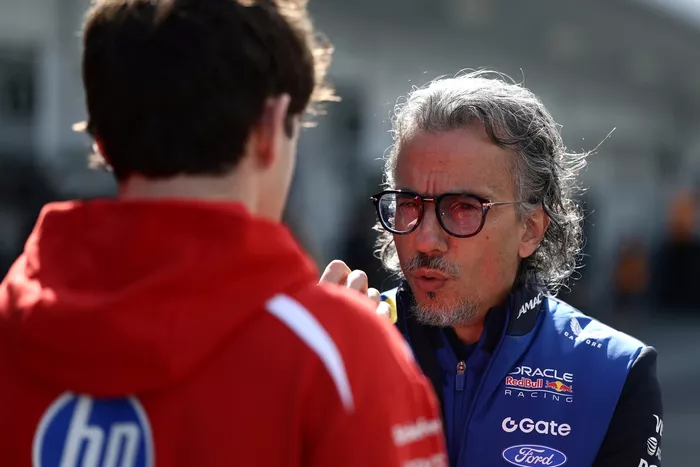
Japanese GP - Friday, in photos

Japanese GP - Friday, in photos

Japanese GP - Friday, in photos
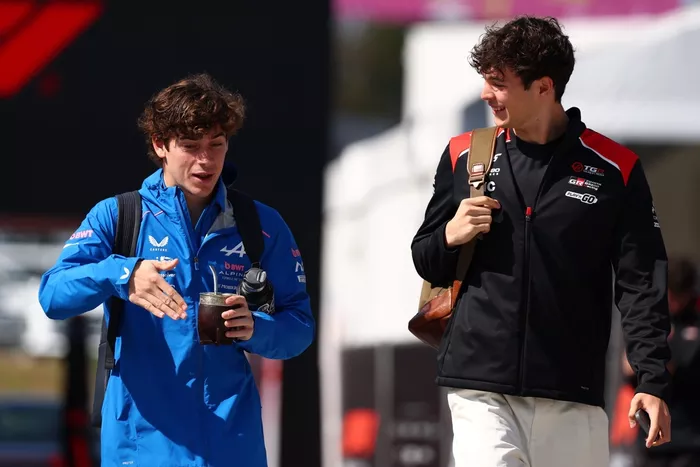
Japanese GP - Friday, in photos
Japanese GP - Friday, in photos
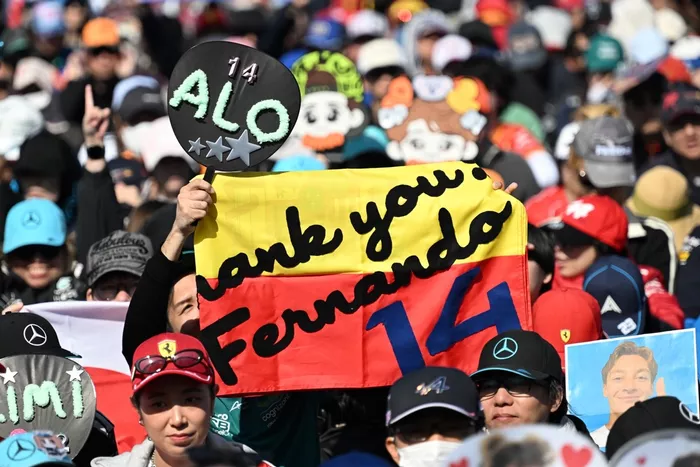
Japanese GP - Friday, in photos
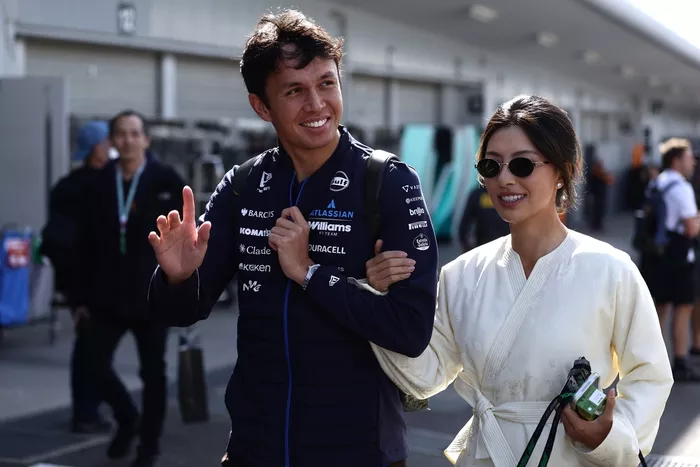
Japanese GP - Friday, in photos

Japanese GP - Friday, in photos
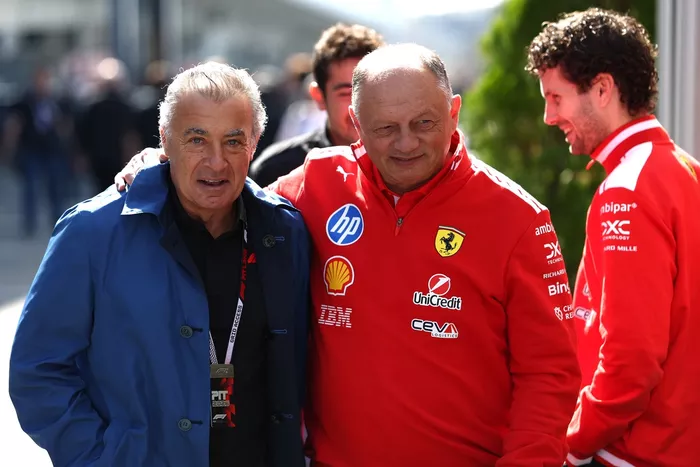
Japanese GP - Friday, in photos

Japanese GP - Friday, in photos
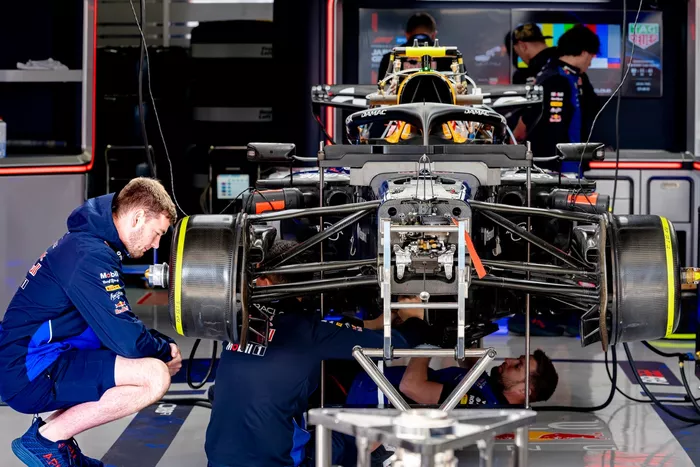
Japanese GP - Friday, in photos
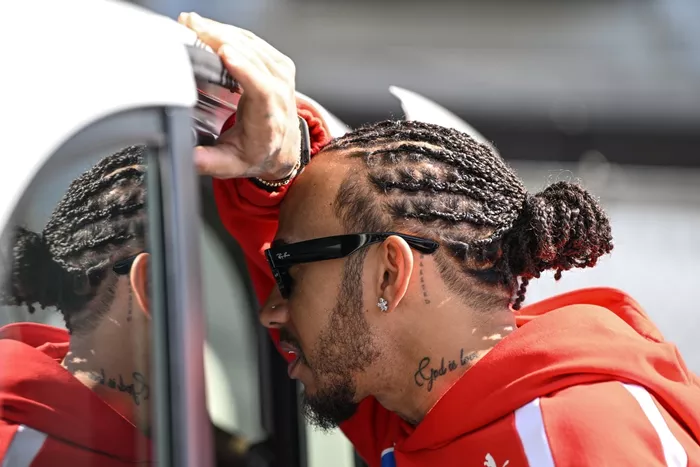
Japanese GP - Friday, in photos
Japanese GP - Friday, in photos

Japanese GP - Friday, in photos
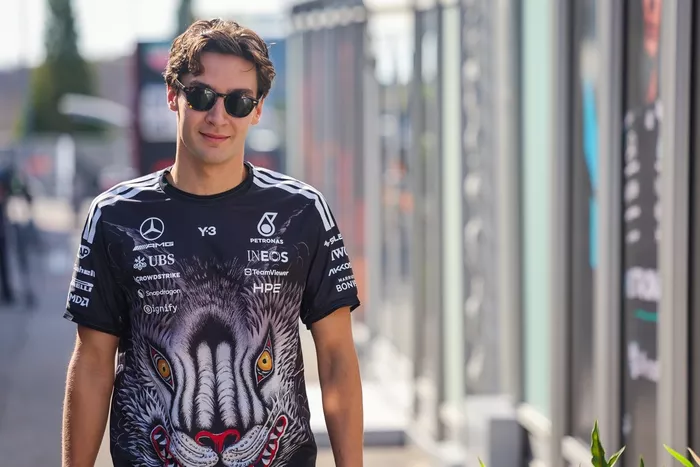
Japanese GP - Friday, in photos
Japanese GP - Friday, in photos
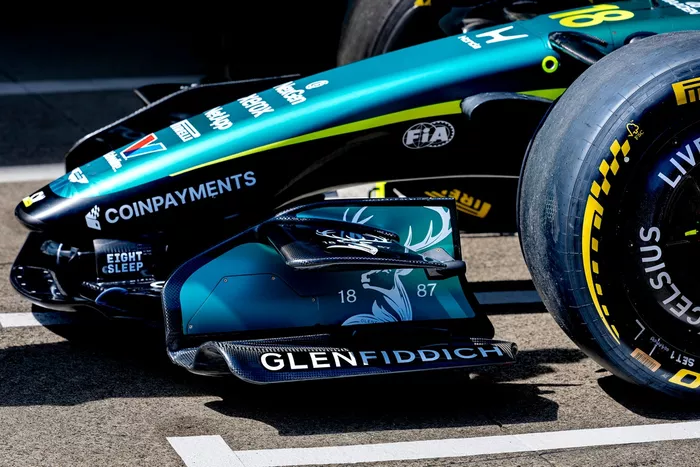
Japanese GP - Friday, in photos

Japanese GP - Friday, in photos

Japanese GP - Friday, in photos
Japanese GP - Friday, in photos

Japanese GP - Friday, in photos
Japanese GP - Friday, in photos

Japanese GP - Friday, in photos

Japanese GP - Friday, in photos
Japanese GP - Friday, in photos

Japanese GP - Friday, in photos

Japanese GP - Friday, in photos
Japanese GP - Friday, in photos

Japanese GP - Friday, in photos

Japanese GP - Friday, in photos
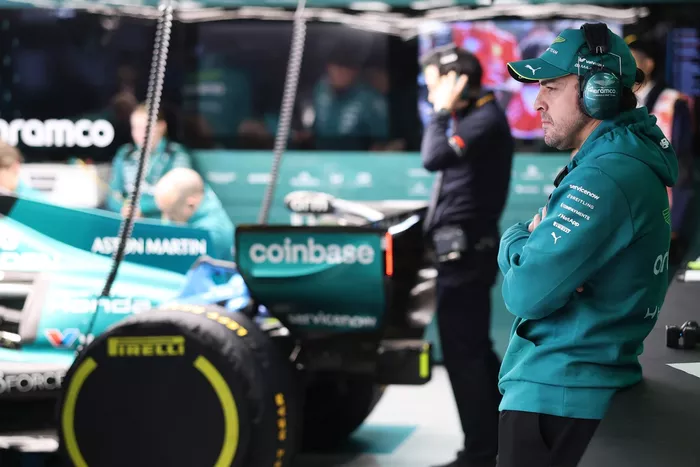
Japanese GP - Friday, in photos
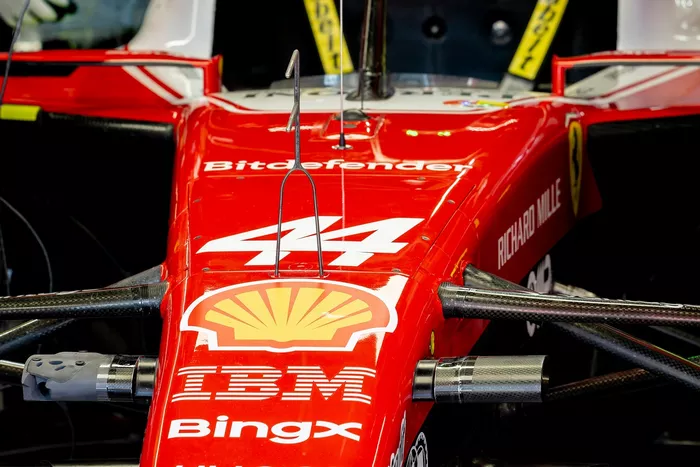
Japanese GP - Friday, in photos

Japanese GP - Friday, in photos
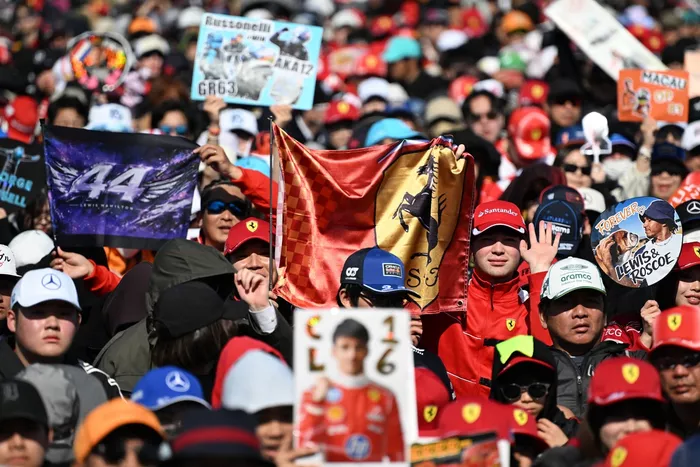
Japanese GP - Friday, in photos
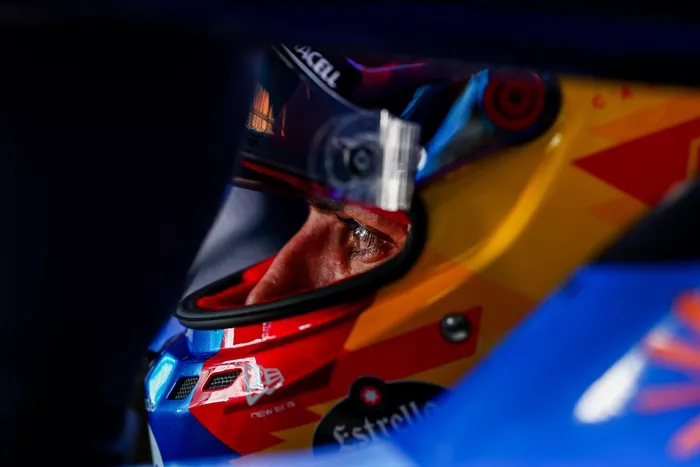
Japanese GP - Friday, in photos

Japanese GP - Friday, in photos
Japanese GP - Friday, in photos
Japanese GP - Friday, in photos
Japanese GP - Friday, in photos
Japanese GP - Friday, in photos
Japanese GP - Friday, in photos
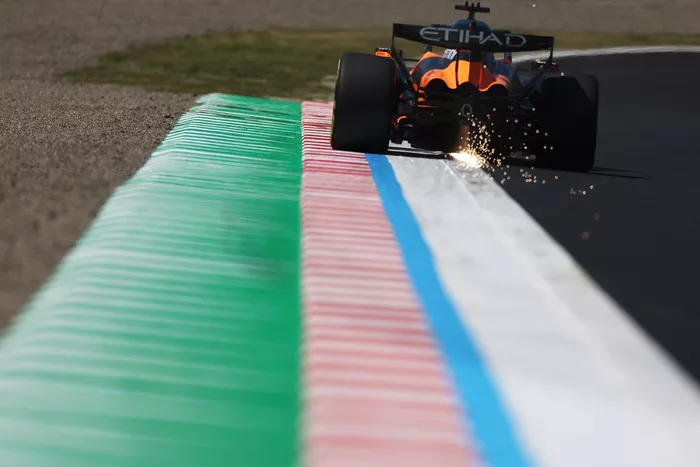
Japanese GP - Friday, in photos
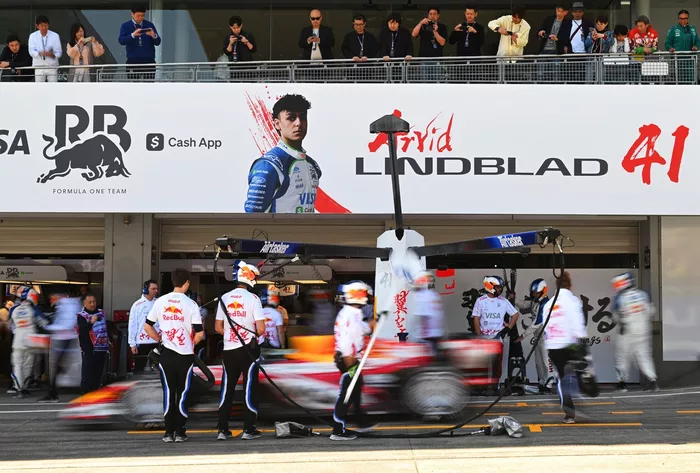
Japanese GP - Friday, in photos
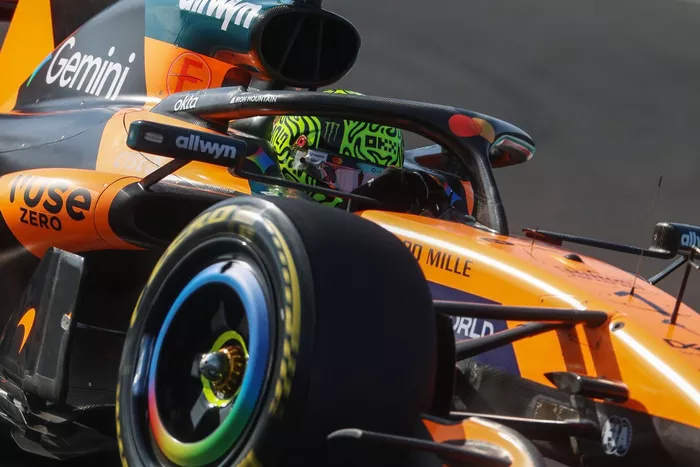
Japanese GP - Friday, in photos
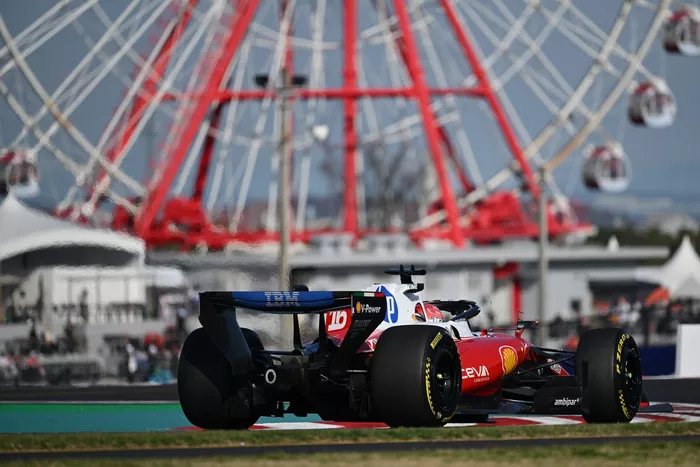
Japanese GP - Friday, in photos
Japanese GP - Friday, in photos

Japanese GP - Friday, in photos
Japanese GP - Friday, in photos
Japanese GP - Friday, in photos
Japanese GP - Friday, in photos
Japanese GP - Friday, in photos

Japanese GP - Friday, in photos

Japanese GP - Friday, in photos

Japanese GP - Friday, in photos
Japanese GP - Friday, in photos
Japanese GP - Friday, in photos

Japanese GP - Friday, in photos
Japanese GP - Friday, in photos
Japanese GP - Friday, in photos
Japanese GP - Friday, in photos
Formula 1
62
We want your opinion!
What would you like to see on Motorsport.com?
Take our 5 minute survey.
- The Motorsport.com Team
Read and post comments
Read also :
Share Or Save This Story
Copy link
Share on Viber
Previous article Why David Coulthard believes F1’s April break is a lifeline for Aston Martin and Cadillac
Next article Lewis Hamilton steals the show at Yokohama car meet as he rolls up in Ferrari F40
Top Comments
There are no comments at the moment. Would you like to write one?
View More & Comment

More from
Gianluca D'Alessandro
The Pirelli test row shows why MotoGP riders need a stronger voice
MotoGP
MotoGP
The Pirelli test row shows why MotoGP riders need a stronger voice
Mercedes reveals the "secret code" tactic behind Kimi Antonelli's Madrid-winning VSC call
Formula 1
Formula 1
Spanish GP
Mercedes reveals the "secret code" tactic behind Kimi Antonelli's Madrid-winning VSC call
Latest news
Jorge Martin planning MotoGP return at Malaysian GP
MotoGP
MGP MotoGP
Australian GP
11 min
Jorge Martin planning MotoGP return at Malaysian GP
Lando Norris laments "very bad job" in qualifying for F1 United States GP
Formula 1
F1 Formula 1
United States GP
17 min
Lando Norris laments "very bad job" in qualifying for F1 United States GP
F1 United States GP: Sunday schedule, weather forecast and how to watch
Formula 1
F1 Formula 1
United States GP
58 min
F1 United States GP: Sunday schedule, weather forecast and how to watch
2026 F1 United States Grand Prix starting grid
Formula 1
F1 Formula 1
United States GP
1 h
2026 F1 United States Grand Prix starting grid
Feature
Discover prime content



Subscribe and access Motorsport.com with your ad-blocker.
From Formula 1 to MotoGP we report straight from the paddock because we love our sport, just like you. In order to keep delivering our expert journalism, our website uses advertising. Still, we want to give you the opportunity to enjoy an ad-free and tracker-free website and to continue using your adblocker.
You have 2 options:
- Become a subscriber.
- Disable your adblocker.
Subscribe now Already subscribed? Sign in here
Already disabled your adblocker?
Reload page
Manage Alerts
Subscribe